
Home » Blog » Ear Health » Allergies and Earwax: Understanding the Connection and How to Manage It
Allergies and Earwax: Understanding the Connection and How to Manage It

Seasonal allergies can affect more than just your nose and eyes. They can also have a surprising impact on your ears. For many allergy sufferers, increased earwax production is a common but often overlooked side effect, leading to discomfort and potential hearing issues.
In this blog, we’ll explore the link between allergies and earwax, discuss how to manage this issue effectively and highlight professional ear care solutions for allergy sufferers.
Content Overview:
How Allergies Affect the Ears
When allergens such as pollen, dust, or pet dander trigger an allergic reaction, the body releases histamines to fight these perceived threats. While this response is meant to protect you, it can also cause inflammation and excess mucus production, which may impact your ears.
Key Ways Allergies Affect the Ears:
- Eustachian Tube Dysfunction: The Eustachian tubes connect the middle ear to the back of the throat, helping to regulate pressure and drain fluids. Allergies can cause these tubes to swell, leading to a sensation of fullness or blockage in the ears.
- Increased Earwax Production: Allergies can stimulate the glands in the ear canal, causing them to produce more earwax than usual.
- Infections: Blockages caused by earwax or fluid can create an environment where bacteria thrive, increasing the risk of ear infections.
Signs of Earwax Issues in Allergy Sufferers
If you suffer from allergies, you may notice symptoms indicating that earwax buildup is affecting your ear health:
- A feeling of fullness or pressure in the ears.
- Difficulty hearing or muffled sounds.
- Persistent itching or irritation in the ear canal.
- Tinnitus (ringing or buzzing in the ears).
- Recurring ear infections.
Managing Increased Earwax Production Due to Allergies
The good news is that there are effective ways to manage earwax issues caused by allergies. Combining good ear hygiene with allergy management lets you keep your ears healthy and comfortable.
1. Practise Good Allergy Control
Managing your allergies can reduce inflammation and excess mucus production, minimising their impact on your ears:
- Use antihistamines or decongestants to relieve allergy symptoms.
- Avoid known allergens when possible, such as pollen or pet dander.
- Use air purifiers or HEPA filters in your home to reduce allergens.
2. Avoid Inserting Objects into Your Ears
Using cotton swabs or other objects to clean your ears can push wax deeper into the canal, worsening the problem. Instead, let your ears self-clean naturally or consult a professional.
3. Keep Your Ears Dry
Moisture in the ears can exacerbate wax buildup and increase the risk of infections. Therefore, it is important to dry your ears gently after bathing or swimming.
4. Use Over-the-Counter Ear Drops
Ear drops can help soften earwax, making it easier for your ears to clear naturally. Speak to a pharmacist for recommendations suitable for allergy sufferers.
5. Stay Hydrated
Drinking plenty of water helps thin mucus and maintain the natural consistency of earwax, making it easier for your ears to self-clean.
When to Seek Professional Ear Care
While mild earwax issues can often be managed at home, more severe cases require professional attention.
Signs You Need Professional Help:
- Persistent symptoms like hearing loss, pain, or fullness in the ears.
- Earwax visibly blocks the ear canal.
- Recurring ear infections.
- Difficulty managing earwax at home despite trying safe methods.
Professional Ear Care Solutions:
Micro-Suction
- How It Works: A gentle suction device removes earwax without touching the ear canal.
- Why It’s Ideal for Allergy Sufferers: This method is quick, painless, and suitable for sensitive ears.
Ear Irrigation
- How It Works: A controlled stream of warm water flushes out earwax.
- When Recommended: Effective for soft wax that hasn’t hardened or become impacted.
Manual Removal
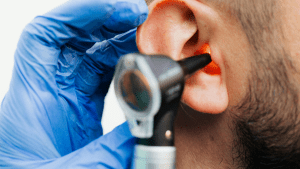
- How It Works: A trained professional uses specialised tools to remove wax under direct observation.
- Why It’s Necessary: Suitable for hardened or impacted wax that cannot be safely removed with other methods.
Preventing Earwax Issues During Allergy Season
Taking proactive steps during allergy season can help prevent earwax buildup and its associated problems:
1. Maintain Regular Allergy Treatments
Stick to your prescribed allergy medications to keep symptoms under control.
2. Use Nasal Sprays
Steroid sprays can reduce nasal congestion and Eustachian tube swelling, minimising pressure on the ears.
3. Schedule Regular Ear Check-Ups
Routine visits to an ear care professional can help monitor wax buildup and address any issues early.
Final Thoughts
Seasonal allergies can significantly impact health, increasing earwax production and related issues. By understanding the connection between allergies and earwax and adopting effective management strategies, you can keep your ears healthy and free of discomfort.
For those in Causewayside experiencing persistent earwax issues, professional ear care services, including micro-suction and irrigation, are available to provide safe and effective solutions. Don’t let allergies interfere with your ear health so seek advice and treatment from trusted professionals to enjoy a comfortable and symptom-free season.
Explore More
How to Prevent Malaria: Tips Before, During & After Travel
Omnicare Pharmacy
August 28, 2025
Read More »
