Home » Blog » Travel Clinic & Vaccinations » How to Prevent Malaria: Tips Before, During & After Travel
How to Prevent Malaria: Tips Before, During & After Travel
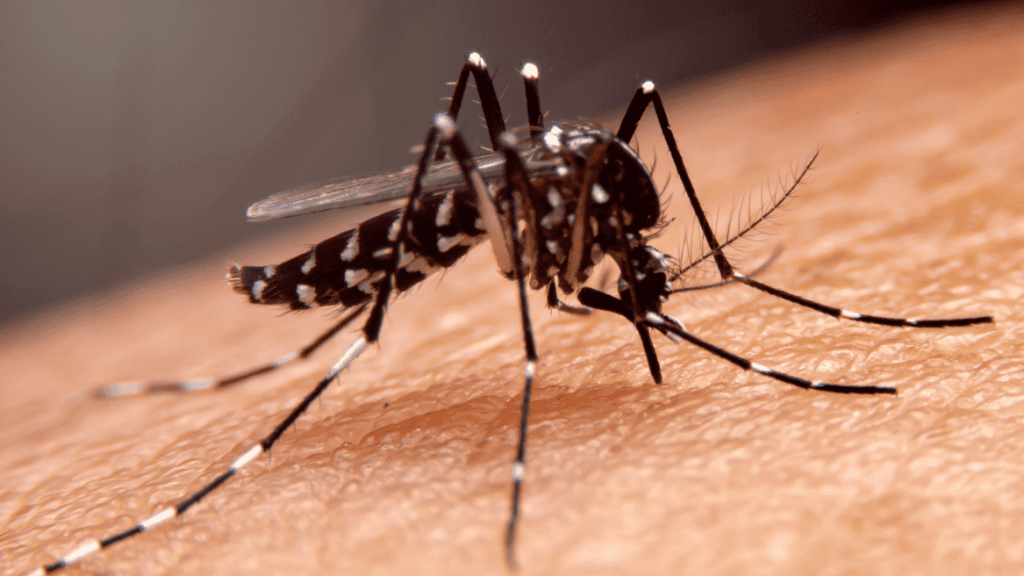
Planning a trip to a tropical or subtropical destination? While exploring new parts of the world is exciting, it’s important to protect yourself from serious travel-related illnesses like malaria. Found in parts of Africa, Asia, Central and South America, malaria is caused by a parasite transmitted through the bite of an infected mosquito, and it can be life-threatening if not prevented or treated properly.
At Omnicare Pharmacy, we help travellers prepare for their journeys with expert travel health advice and antimalarial medications. Here’s everything you need to know about preventing malaria before, during, and after your trip.
Content Overview:
Before You Travel: Plan and Protect
1. Check the Malaria Risk in Your Destination
Not every country has the same risk. Some regions only have malaria in specific rural or lowland areas. Visit the NHS Fit for Travel website or speak to a travel health specialist at Omnicare Pharmacy to find out whether your destination poses a malaria risk.
2. Book a Travel Health Consultation
We recommend booking your travel health consultation at least 4 to 6 weeks before departure. This allows time to assess your risk, recommend appropriate vaccines, and prescribe the right antimalarial tablets if needed.
3. Take the Right Antimalarial Medication
There’s no one-size-fits-all solution. Depending on where you’re going, how long you’re staying, and your medical history, we can prescribe the proper medication.
We’ll explain how and when to take your medication, possible side effects, and any interactions with your current prescriptions.
During Your Trip: Bite Prevention is Key
Even if you’re taking antimalarial tablets, it’s essential to avoid mosquito bites as much as possible. Mosquitoes that carry malaria bite mainly between dusk and dawn, so extra caution is needed in the evenings and at night.
1. Use Insect Repellent
Apply insect repellent containing at least 50% DEET on all exposed skin. Reapply regularly, especially after sweating or swimming.
2. Wear Protective Clothing
In the evenings, wear long-sleeved tops and trousers, preferably light-coloured, as mosquitoes are attracted to dark colours.
3. Sleep Under a Mosquito Net
Use a bed net treated with insecticide, especially if you’re staying in areas without air conditioning or proper screening. Make sure the net is tucked in securely around your bed.
4. Avoid Standing Water
Mosquitoes breed in stagnant water. Try to avoid areas near ponds, puddles, or containers that collect rainwater.
After Your Trip: Stay Alert for Symptoms
1. Continue Your Antimalarials
Many people stop taking their tablets too soon. It’s crucial to finish the full course, even if you’re feeling well. The malaria parasite can stay in your liver and become active weeks after you return.
2. Know the Signs of Malaria
Symptoms usually appear 7 days to several weeks after infection, but sometimes even later. Watch out for:
- Fever and chills
- Headache
- Muscle aches
- Fatigue
- Nausea, vomiting, or diarrhoea
If you experience flu-like symptoms after returning from a malaria-risk area, seek urgent medical advice and tell your healthcare provider where you’ve been, even if it’s months after your trip.
Final Thoughts
Malaria is preventable with the right knowledge and preparation. By planning ahead, taking antimalarials as prescribed, and using bite prevention strategies, you can dramatically reduce your risk and enjoy your trip safely.
At Omnicare Pharmacy, our expert team is here to support you with:
- Personalised travel health consultations
- Antimalarial prescriptions
- Travel vaccines and bite protection advice
- Friendly, professional service tailored to your needs
Going somewhere soon? Book your travel health appointment today and travel smart, wherever your journey takes you.
Explore More