

Home » Blog » Ear Health » The Role of Travel Vaccines in Eco-Tourism: Protecting Yourself and the Environment
The Role of Travel Vaccines in Eco-Tourism: Protecting Yourself and the Environment

Eco-tourism allows travellers to explore pristine, remote destinations and engage with the natural world in its purest form. Whether trekking through rainforests, visiting wildlife sanctuaries, or immersing yourself in rural communities, eco-tourism can be a transformative experience. However, travelling to these eco-sensitive areas also comes with unique health risks.
Vaccinations are vital in ensuring safety, protecting local communities, and preserving fragile ecosystems. In this blog, we’ll discuss the importance of travel vaccines for eco-tourists, offer advice on essential vaccinations, and highlight how staying healthy contributes to environmental and community welfare.
Content Overview:
Why Travel Vaccines Are Essential for Eco-Tourism
Travelling to remote areas often means venturing into regions with limited medical facilities and a higher prevalence of certain diseases. Travel vaccines are crucial to preparation, reducing your risk of illness and preventing the unintended spread of diseases to local communities or wildlife.
Protecting Yourself
- Exposure to unfamiliar environments and ecosystems can increase the likelihood of contracting malaria, typhoid, or yellow fever.
- Vaccinations help your body fight off these threats, ensuring a safer, more enjoyable trip.
Safeguarding Local Communities
- Many rural or indigenous communities lack widespread access to healthcare, making them more vulnerable to diseases brought by visitors.
- Vaccines prevent you from becoming carriers of illnesses that could harm these populations.
Preserving Wildlife and Ecosystems
- Some diseases can be transmitted from humans to animals, disrupting delicate ecosystems. Vaccinations minimise the risk of zoonotic disease transmission, helping to protect wildlife.
Essential Vaccines for Eco-Tourism
Your vaccination requirements depend on your destination, planned activities, and health. Here are some of the most commonly recommended vaccines for eco-tourists:
1. Hepatitis A and B Vaccines
- Hepatitis A spreads through contaminated food or water, so this vaccine is essential for travellers visiting rural areas.
- Hepatitis B: Transmitted through blood and bodily fluids, often recommended for eco-tourists engaging in medical outreach or animal care.
2. Typhoid Vaccine
- Protects against typhoid fever, a bacterial infection common in areas with poor sanitation.
- Particularly important if you’ll be consuming local food or water in rural regions.
3. Rabies Vaccine
- Crucial for those spending time near wildlife, such as trekking or volunteering at animal sanctuaries.
- Rabies is a life-threatening disease transmitted through bites or scratches from infected animals.
4. Yellow Fever Vaccine
- Required for travellers visiting certain parts of Africa and South America.
- A yellow fever certificate may also be necessary for entry into some countries.
5. Japanese Encephalitis Vaccine
- Recommended that travellers spend extended time in rural Asia, particularly in agricultural areas with rice paddies and standing water.
6. Malaria Prophylaxis
- While not a vaccine, antimalarial tablets protect against this mosquito-borne disease in tropical and subtropical regions.
7. Tetanus Booster
- Protects against tetanus can occur from cuts or wounds, particularly in outdoor activities.
Staying Healthy on Your Eco-Tourism Adventure
In addition to getting vaccinated, adopting healthy practices during your trip is essential for your well-being and the protection of local communities.
Practise Good Hygiene
- Wash your hands frequently with soap and water.
- Use hand sanitiser when soap isn’t available.
Drink Safely
- Stick to bottled or boiled water in areas where tap water may be unsafe.
- Avoid ice in drinks unless you’re certain of its source.
Protect Against Insects
- Use insect repellent containing DEET and wear long sleeves and trousers in mosquito-prone areas.
- Sleep under a mosquito net if staying in rural or jungle accommodations.
Respect Local Customs
- Follow local health guidelines and respect community practices to minimise the risk of inadvertently causing harm.
The Environmental Impact of Staying Healthy
By maintaining good health during your eco-tourism adventure, you contribute to the preservation of the local environment:
Preventing Disease Spread
Healthy travellers are less likely to introduce diseases that could impact local wildlife or human populations.
Reducing Medical Strain
Avoiding illness reduces the burden on local healthcare facilities, which may have limited resources.
Supporting Sustainable Tourism
Healthy, informed travellers demonstrate respect for their destinations, promoting a more sustainable and ethical approach to tourism.
Accessing Vaccination Services in Edinburgh
If you’re planning an eco-tourism trip, Edinburgh offers reliable vaccination services to ensure you’re fully prepared:
Travel Clinics
Specialist travel health clinics provide tailored advice and administer vaccines specific to your destination and activities.
Local Pharmacies
Many pharmacies offer travel vaccinations, including hepatitis, typhoid, and rabies, with flexible appointments.
GP Surgeries
Your GP can provide routine vaccinations and guidance on maintaining your health during travel.
Final Thoughts
Eco-tourism is a unique opportunity to connect with nature and make a positive impact, but it also comes with responsibilities. Ensuring you’re vaccinated protects not only your health but also the communities and ecosystems you visit.
For Edinburgh residents, local travel clinics, pharmacies, and GP surgeries offer all the vaccinations and advice you need to prepare for your eco-tourism adventure. Start planning today to enjoy a safe, enriching, and environmentally conscious journey.
Explore More
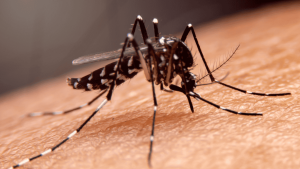
How to Prevent Malaria: Tips Before, During & After Travel
Omnicare Pharmacy
August 28, 2025
Read More »
